

Episode 128: LifeWise: Art Of The Grift with Keith Comer
In an update to previous episodes talking about Released Time Religious Education in Ohio and LifeWise Academy in particular, our guest Keith Comer, founder of Respect our Schools discusses what has been happening since LifeWise lobbied the state to force it’s brand of child recruitment into the middle of the school day.
Elementary students are most affected because their schedules are controlled by the school, making mid-day departures disruptive. He says LifeWise prefers to take students during specials because attendance is higher than during lunch, or recess, and the ultimate goal is recruitment and proselytizing rather than character education.
Another focus is money and organization. Comer says LifeWise operates like a franchise, collecting fees from local groups and sending money to headquarters in Hilliard, Ohio. He says local programs often pay substantial portions of their fundraising to the central organization, which also provides curriculum, insurance, and training.
We end with concerns about safety and school resources. Comer says parents should ask how background checks, transportation, and monitoring are handled. He also describes cases where schools, city property, or public facilities were illegally used for LifeWise-related activities, and says legal challenges may be necessary to stop such programs.
01:00 RTRI in Ohio recap & Respect Public Schools origin story
17:43 LifeWise Model Disrupts the entire school and the Money Game
30:37 Other RTRI Program Vendors
44:02 The Hidden Public Costs of RTRI
54:35 LifeWise is NOTHING like the Scouts or other non-religious school group
01:00:00 Child Safety Red Flags from LifeWise





Our Guest
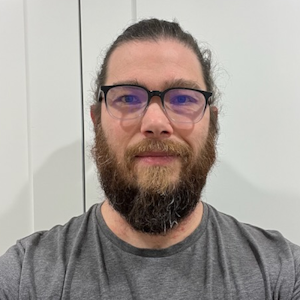
Keith Comer is a software developer and creator of Respect Public Schools and the RTRI map. He is interested in all things concerning public schools and the encroachment of state supported religion.
Extras:
Episode 79: Deception and Influence: A Close Look at LifeWise Academy (June 2024)
Transcript:
Read full transcript here
[0:03] This is Glass City Humanist, a show about humanism, humanist values, by a humanist. Here is your host, Douglas Berger. Our guest is Keith Comer, founder of Respect Public Schools. He joins us to give us an update two years since LifeWise Academy forced itself into Ohio school districts through a change in the release time law. We also discussed the grifting, skimming cash from local groups, blatant recruiting of young children, and the overlooked safety issues that should worry all of us the most. Glass City Humanist is an outreach project of the secular humanists of Western Lake Erie, building community through compassion and reason for a better tomorrow.
[1:00] In general, it is illegal to mix religion with public schools. The main argument used is that children didn’t choose to be in school, and the courts have said that it isn’t fair to subject them to religion while at school. The other part of the argument is by injecting religion into the public schools, the government is violating the parental choice to direct the religious education of their own children.
[1:25] Most people agree that if government is to be neutral toward religion, then religion shouldn’t be sponsored or endorsed in public schools by the government. And there have been several U.S. Supreme Court cases over the years, mainly in the late 40s, early 50s. We have Everson v. Board of Education in 1947. It applied the First Amendment to the states because originally before the First Amendment supposedly didn’t apply to the states. And then in 1948, we had McCollum v. Board of Education. In that case, the court struck down a Champaign, Illinois program as unconstitutional because of the public school system’s involvement in the administration, organization, and support of religious instruction classes. The court noted that some 2,000 communities nationwide offered similar release time programs affecting 1.5 million students. And this was in 1948. And I can attest, my mom, she is in her 80s, and she had to attend religious education classes in school in the early 50s. And then in 1952, we had Zorach v. Clausen, and that allowed religious release time, religious instruction programs, as long as they were off campus, that the parents signed off on it, and that no tax dollars were spent on it.
[2:49] So from 1952 to about 2014, RTRI was a patchwork of after-school programs, and even some violated the law by holding them on school property. The one I like to use is we had a county school, Corey Ross, where they had a church bus that parked on their parking lot.
[3:10] And I think our guest today also has some other examples as well that we could talk about. In 2014, a law was passed in Ohio that provided a legal framework for RTRI so that, you know, there was a common framework for it. It allowed high school students to gain course credit for religious study.
[3:30] And it was just a rehash of what was in the Zoraes V. Clausen decision, basically. LifeWise founder Joel Penton found Jesus and started a fake school assembly group in the early aughts. And in 2018, he was invited to a ribbon-cutting ceremony for an RTRI program building in Vanward, Ohio, where he was introduced to an RTRI program that happened during the school day. And he claimed to have had a eureka moment that he would start a group that would turn that idea into a franchise model and have it start all over the country like a religious McDonald’s restaurant. And the angels sang, and LifeWise Academy was born. Well, if you listen to their official history.
[4:19] Headquarters would work with local groups to establish these programs based on a curriculum drawn from the Southern Baptist version of theology and rent it out to the local programs. They would also provide other services like liability insurance and guidance and training on operating their programs. The local group would need to provide all the funding for their program, with a large amount of that heading back to headquarters in Hilliard, Ohio.
[4:47] All was well and good in the land until LifeWise tried to grow programs outside the religious, rural, isolated areas of Ohio. He got pushback from people who supported public schools and saw LifeWise and its religion during the school day model as conflicting with the strained resources of public school systems in the state. A couple of districts either rejected LifeWise or rescinded approval after considerable complaints from parents in the district. Not to be undaunted, Joel turned to the Christian Nationalist Welfare System, and got some major assistance. In particular, he got House Bill 445 introduced in the Ohio legislature that would force schools to work with LifeWise and allow them into the district.
[5:34] Opposition came together to oppose that law. Myself and our guests today worked with other groups in the state to offer testimony and support against House Bill 445. There happened to be at the same time, coincidentally, a political drama in the majority party in the statehouse, and they ended up changing the chair of, I believe it was the Education Committee that was considering this bill, and we ended up with a former teacher and school board member who hated House Bill 445, and it was effectively shelved.
[6:06] The Christian Nationalists, however, fought back and had it introduced in the Ohio Senate, but it didn’t seem to have any traction there either. So in a last-ditch effort at the end of the legislative session.
[6:20] The LifeWise-supported changes to Ohio’s RTRI law were crammed into another state law, House Bill 8, called the Parents’ Bill of Rights Act, that was being voted on in the lame duck session, and it was passed at the end of 2024. More and more people have learned just how bad LifeWise is for public schools, and there are still people and groups trying to keep RTRI programs like LifeWise in check. In two years. That’s mainly why I want to have this discussion today, is to find out where we’re at. And our guest today is Keith Comer. He is a software developer and creator of Respect Public Schools and its RTRI map. He’s interested in all things considering public schools and the encroachment of state-supported religion, and he lives in the Tiffin, Ohio area. Welcome, Keith. Hello. Thank you for having me on. Sorry for that long introduction, but I wanted to catch people up. It’s a, it’s a complicated issue. There’s, there’s a lot of backstory.
[7:25] The first thing I wanted to do is everybody’s interested in an origin story. So how did you get interested in this issue at the beginning and start your group, Respect Public Schools? I found out about it because my rep is Gary Click, my house rep for the state. And he’s the one that introduced House Bill 445 that you talked about in the intro. um.
[7:53] I had been watching some of the bills that he had put in um prior to that um you know talking about, abortion rights um trans rights um think things like that and then i saw this bill, and it only changed the very first version of the bill only changed one word, the word may to the word shall, and it threw alarm bells off because why would you pass a law and only change one word i mean i don’t know if that really ever happens um and so i started looking into it and then i found um the organization lifewise, that was was pushing it through some news news articles, and i went to their website and just kind of poked around for a bit and, wasn’t sure how big they were, how many schools they were in, but I kept searching, kept finding them, searching other ones, wouldn’t find that they were in there. And so eventually I got tired of doing that. And so I just wrote a program to screen scrape their website and put it on a map and did it all in just a few, few hours.
[9:06] Yeah. And I believe that, uh, they actually came after you legally for that as well, right? Yes. Um, they filed charges against me, um, in, in Hilliard. Uh, they went into the police, filed a full re report. Um, their attorney had a list of charges that they thought that I should be charged with. Um, the police said that they didn’t see that anything had been broken, um, Um, that there was no law that they could see that was broken. Um, so it didn’t move further than that. Um, but also in the midst of that, they sent me a letter from their attorney threatening that they would press charges if I didn’t take the website down. Um, so yeah, they use several tactics to try to get me just, just to take the website down, just to stop it.
[9:58] Yeah, and basically all you did was you gathered their data that they had publicly available and made it into an entity that other people could look at and analyze, correct? Yeah, yep. It’s all just data that’s sitting on their website. Instead of having to search 13,000 school districts, you could just go to a website and see them. Um and what’s even funnier about it now is they just made public a map um on their site, that looks suspiciously like mine um even to the the point where um i kind of made the step or the process that they’re in more of a broad thing rather than one to ten steps i just had three or four just to make it, easier to understand and read um they have that they have a bunch of things that I had done on mine that they now have on theirs. So.
[10:56] Yeah, awfully suspicious. Yes, definitely. Now I do want to make clear too, as we get into this, that release time religious instruction is not a constitutional right. It’s a constitutional right that a student can go to one of these classes, but it’s not a constitutional right that districts must have these classes or offer them. Correct? Yes, that is 100% correct. Um, even an attorney, um, who did, did testimony on behalf of LifeWise, um, he’s actually, he’s in the legislator and the legislative body in Texas. He’s also an attorney for First Liberty, um, which is a, you know, a law firm that LifeWise uses. Uses and in his testimony he said that no this is not a right schools are not mandated or required to to do this by federal law by the the supreme court case um.
[11:58] Which is why they were trying to change the state law that said that schools had to work or coordinate with lifewise so you know But yeah, for 70 plus years, parents could go in, sign their kids out, wouldn’t be marked absent, take them to a service or some sort of class, bring them back. And it was it was all fine. And then as soon as pushback happened, which isn’t the first time pushback has happened, but when it happened to LifeWise, they decided to try to get that law changed. And they’ve done it in other states, too, not just in Ohio. You know, they’ve done it in Texas, Oklahoma, Indiana, North Carolina. You know, those are just the most recent ones. Yeah, I think they tried in Iowa and it didn’t go. No, Iowa did pass. Oh, they did? Because an employee of LifeWise registered as a lobbyist.
[12:59] In Iowa to get that passed. So yes, they, they absolutely had a hand in getting that changed. Yeah. And, and so what, what happens is, and I’ve seen this happen over and over again is, uh, basically life-wise hangs out in the dark.
[13:18] They get their, all their eggs in a row and then they pop up in a district and, hey, we’re here, we’re going to start. And so when that happens, a lot of parents then get, get freaked out and then they start complaining. How is this legal? How is this constitutional? Well, again, it’s constitutional for them to start and to offer it, but it’s not required for the district to cooperate in those states that don’t have a shall law, correct? Yes. Yeah. Yeah. In states that don’t have a law that forces a school district to coordinate with them, it’s still legal. You know, and I would give the argument, it’s always legal for any parent to come into a school and remove their child for whatever reason they wish to. Um, if a school didn’t do that, they would be, they would be kidnapping that, that child. Um, so parents can, can always do that. But yeah, where LifeWise is, is changing, um, this, this area is that they’re forcing a school district in Ohio. It says that they have to coordinate with LifeWise or in any other group. No other group even put in testimony that they wanted this bill passed.
[14:37] So, yeah, it’s no longer the parent’s choice. The parent is having no really involvement in it. They’re not really doing much. They’re signing an online form, and that’s it. Um, you know, and then now the school is forced to coordinate with a third party ministry, um, and release students to them. But yeah, in, in states that don’t, don’t have that law, the school board can say, yes, you can, you can do this because we can’t stop it, but we’re not going to adjust schedules. We’re not going to come up with a better way to sign 80 kids out at one time. Uh you know we’re we’re not gonna hang up the flyers we’re not gonna you know pass out things um to to go home and backpacks um but yeah if you want to run it run it but you know you coordinate with, the parents of the group and you figure out when you want your child to miss and what class you want them to miss and you come in and you sign them out and take them and get them back and that’s all that the school is really worried about is that, they’re signed out by the person who’s supposed to, signed back in by that person, and that’s it.
[15:54] Yeah, not to mention the issue with liability at all, because, you know, the parent is releasing the child to a school district, a school for the school day, and then they’re letting them go somewhere else. And so a lot of these school districts think, well, you know, if they sign them out, our, our hands are clean. And it’s like, probably not, you know, something were to happen, majorly happen to students in a LifeWise program. You can bet that the school district is going to be sued or worse.
[16:26] Yeah. I mean, there’s, there’s a lot of, you know, legal back and forth that I have with people, um, about, yeah. Well, I mean, where is that line? You know, uh, the parent drops their child off at school in the morning or they get on the bus. And as soon as they’re on that bus, you know, yeah, the school is now acting as the parent to take care of that child. And so if the school is now putting them on a bus to go somewhere else, but the school is not allowed to control the hiring process of that third party, they’re not allowed to know and control the background check. They can, they can try, but you know, they’re not required to, if they’re not allowed to do all, all of those things, um, are they really in control of where that child is, is going to.
[17:23] For more information about the topics in this episode, including links used, please visit the episode page at glasscityhumanist.show.
[17:44] Now, we talk about LifeWise because it’s one of the supposedly largest groups hawking RTRI programs, and specifically during a school day. What are some of the drawbacks of having a Bible school period in the middle of a school day?
[18:04] Yeah, I mean, I think the biggest drawback of having it in the middle of the school day is just the disruption that it has. Um, you know, and, and I’m more focused on and have been, you know, can the, the kindergarten through fifth, sixth grade, um, that’s most of these programs focus. Um, when it comes to high school, you know, those kids, they create their own schedule. Um, they decide what classes to take and not take, you know, as long as you’re meeting some math and science and English and stuff like that. But kindergarten through fifth grade you don’t make your own schedule you don’t choose when you go you know to gym art music stem, um you know tech library you don’t you don’t choose that the school sets that for you um, so students coming and going um at random times is a disruption to the entire class. So forcing that in any sort of a mass way onto the staff of a school just doesn’t make common sense. So that’s one of the biggest things. I mean, the other thing is.
[19:19] I mean, students are required to be there. You go to a private school, or you homeschool your kids, or they have to go to school. And so students are there. It’s for everybody, no matter what religion you follow, if you don’t follow one. Um, and so putting students in an environment that they can’t leave where they’re subjected to, you know, a group like LifeWise or others, um, that are directing, training, telling kids to proselytize to their peers when they come back, it just makes the disruption even further. So it didn’t just stop when they left and came back. It kept going because they are instructed to keep doing that. And we have example after example of that happening. You know, I mean, there was even a school district in Kentucky that offered to do it at the very last period of the day. And then the child could go home from that last period. And LifeWise said, absolutely not, because they weren’t coming back. They couldn’t then spread that message, hand out the business cards, hand out a piece of paper with an invite, a golden ticket. They didn’t see them with bags of candy and treats and little trinkets and stuff.
[20:45] So the schools that have offered to do it at the very last period of the day and then let the kids go straight home, LifeWise has said no. And I think that tells what the goal is. The goal isn’t to offer the class. The goal is to disrupt the school while offering that class. Yeah. And I know when I first started looking at LifeWise and, reading the articles and news things about it, you know, they were pretty adamant that they wanted to replace what they call a special library period or phys ed or something like that. And they got such pushback that they started agreeing to lunch or recess. Yeah, the documentation that LifeWise would give to, you know, a superintendent, principal, school board would absolutely start out with, you know, you can do it during specials. So like you said, lunch, not lunch, gym, music, art, library, STEM, everything. And so a child would just miss one of those and go to LifeWise.
[21:59] And yeah, they would say that in a presentation that they would give to a local church or some sort of group in the town that they are targeting currently. And it would say that. And lunch and recess was always their sort of last option. Um and so they’ve had to flip-flop that a bit um but the reason that they did that is because they figured out this mystery that kids don’t like to go to class all the time, so they they they figured out that young kids like to miss school um, so if they and i’ve done public record requests to probably 250 ohio schools, um and the ones that responded and these are the ones that have LifeWise in them, the enrollment is double, a little more than double, if they do it during specials versus if they do it during lunch and recess. So that’s the reason that they want to do it during those times is kids don’t want to miss recess. They’ll miss library because they have to do something in library. They have to do work. They have to read. They have to listen to the teacher. They have things that they have to do, worksheets.
[23:17] And if you go to LifeWise, there’s no homework. You’re not graded on anything. There’s no expectation that work has to be done at a certain time and place. So, yeah, it’s really simple. Kids don’t like to go to class. If the option is to skip, they’re just going to skip it. But they don’t want to skip lunch, and they don’t want to skip recess. They don’t. No, I never wanted to skip lunch or recess. That’s for sure.
[23:45] But the insidious thing about it is, you know, they’re trying to increase the numbers that go. And one of the reasons is, and I saw I have a video, I think you posted it on your YouTube channel. A LifeWise employee was talking about, we need to get these kids before they’re 13, 14 years old. And then they’ll come to church. And so it’s all about building church attendance. It’s not about character values or whatever the crap that they’re talking about and that they tell the school board. It’s all about recruitment and evangelizing kids and prophetizing to them to get them to come to church.
[24:27] Yeah, I would agree with that. Um, you know, uh, George Barna, um, who used to run the Barna group, um, which he does not own in any longer and is not involved with, um, he’s been a staple at their annual summit. Um, he goes down to Florida for their founders weekend, which is all expense paid trip, um, for the highest donors and people that are involved with LifeWise. And they use his research that he’s done and the company that he founded to say that, yeah, between 4 and 14, 3 to 13, but somewhere in that window, that’s when if they can get them to, follow that belief and know that the only, you know, true way of religion is theirs, they can make that stick. And if it happens outside of that window, that percentage drops to single digit, you know, 4%, 2%. I’ve heard all different kinds of ones, but, you know, it goes from possible to nearly impossible.
[25:41] And yeah, they just like to repeat that over and over and over again. Um, and I, I believe that that is a goal of theirs, but I also believe a goal is just to get as many kids in the program as possible, because they charge a franchise fee for every single child that, that comes through it. So sometimes, you know, watching the material that they put out, the way that they recruit kids, um, I think they just want anybody to come.
[26:16] They just want people in there because now the local community is going to be shouldered with raising more money to pay those franchise fees to corporate. Yeah. And then, and then there’s been, uh, some scattered stories about, uh, local groups who got kicked out of LifeWise because they weren’t bringing in enough, uh, money.
[26:39] Yeah, it’s, that’s a pretty common story now. Um, you know, they, they have a certain amount of money that you need to get started. They have a certain amount of money that you need to get to, you know, the, the next steps in the process. Um they will float you some money for a bit um but you have to get you know, out of the red and into the black within a certain period and if you don’t they will reduce you know, you know what what they pay people um they’ll you know fire people that are on the board they’ll tell directors that they aren’t needed. Um, you know, I’ve talked to several people who can back that up. I have emails that back that up as well. Um, that, you know, they are very serious. Um, Joel Penton even said an email that what the, what the beliefs of LifeWise are and how they handle their money are the two most important things that they have to, to worry about or, or focus on. So if, If the money is the most important thing, it’s probably not about the faith and the character building.
[27:55] Oh yeah, definitely. It’s not, it’s not about the program that they’re offering. It’s all about the money. It has to be about the money. It’s a big grift, a whole conservative grift about that. Yeah yeah and that’s why it’s it’s not i mean, i don’t i don’t really ever want to attack anybody for what they believe on a religious aspect or if they don’t um and you don’t have to do that with life wise or any of the other large programs like them, because that’s not their focus their focus is raise funds get as many kids in there get people to donate as much as possible and then just skim, skim, skim.
[28:37] I’ve had local board members from some of the earliest LifeWise programs say that they were sending nearly half of the money that they raised in some form or fashion to corporate.
[28:52] It goes there to pay payroll to go back to the teachers. It goes there for buying signs and worksheets, curriculum. I mean, they sell coffee that you can make to serve to your volunteers, like LifeWise Branded Coffee. I mean, they want you to buy everything through there. And when Joel Penn said, you know, in his book and then in, you know, talks, he wants to make a McDonald’s version of… Of this RTRI, a lot of people, you know, I think thought that meant, well, they just want it to be everywhere. But the McDonald’s model is they don’t make money off the hamburgers that the restaurant sells. They make money off the franchise fee and the fact that that restaurant has to buy their light fixtures and their napkins and their toilet paper and their waste management and everything has to come through corporate, and and i i really think that that is you know what what the what the main goal is is to get as much money flowing through that that main corporate, you know office as as possible he said it he wants it he wants it to be the mcdonald’s version and mcdonald’s business model is not selling hamburgers it’s selling franchises.
[30:12] Segments of this podcast are available Tuesdays at 7 p.m. Eastern on WAKT 106.1 FM in Toledo and on ToledoRadio.org. If you have a Spotify account, you can view a video version of the podcast and share a comment or two.
[30:37] Well, like I said, we know about LifeWise. do you know of any other groups that sponsor RTRI programs off the top of your head? I mean, yeah, I mean, off the top of my head, there’s, so there’s a school ministries. That’s what it’s called. Um, it’s, it’s a national brand. It’s, it’s a national company. Um, and so they’ve been around since I have to look, I would say like 1992 started in South, South Carolina was where their first programs were. It’s where their headquarters was. And they have opened offices in other states, and they opened the Ohio office in 2007.
[31:20] So they’re in, I think, about a dozen states. They don’t ever say how many programs they have, but they have about 50,000 students, according to their press. And you know so lifewise as of you know the end of the school year was at 62,000 students or 64 somewhere in that area um, so they’re they’re about the size of lifewise but they’ve also been around since 1992 and lifewise opened their first program in 2019, uh so the the growth rate of lifewise compared to them is clearly large um, But yeah, I mean, there’s, there’s them, there’s school, school ministries. There’s a joy L, which is in like, it would be like the Eastern Pennsylvania area. They also have some in Tennessee.
[32:14] There’s a Bible to school, which is based out of the Lancaster, Pennsylvania area. But they have, they’re all, all over the, the, the country, you know, Idaho, Texas, Tennessee, Virginia. Um you know so there’s there’s not just a single, a single large group like lifewise that is doing this you know um bible to school has been in operation since about 1973 i think um so this isn’t new, and you know but the the ability that lifewise has been given um with the amount of funds that they’ve raised, where they’ve, you know, been able to just rapidly expand has been the, the difference. And I think that goes back to what we just talked about, you know, I mean, their goal is to bring in as much money as, as possible, you know, not to do it in a way that the parents want or the school wants, they’re doing a way that, that LifeWise wants.
[33:17] Yeah. And they’ve been supported by a lot of large, uh, Christian nationalist donors. As well, because they were sitting on like $35 million recently.
[33:28] Yeah, I mean, their last 990 show that they brought in, yeah, like 39 million something last year. So that’s a lot of money, you know, and they have a lot of it in investments. They have a lot of it in cash. You know, they are planning for the future. Um you know when when you donate and i i think i try if i ever talk to you know like somebody who locally supports lifewise or is involved with lifewise you know there there is a big difference between, um the lifewise in hilliard and the lifewise that’s running in a a small school in rural ohio that has 400 students in it, um you know all those people are working to raise money, and you know that money goes to to corporate and they take you know a certain portion of that like right off the top, they just take for for their own their own use um and then another portion goes to a long-term fund to to be invested to make sure that lifewise can can keep going um.
[34:41] You know there are other you know franchise fees for the materials that the that the students use. Um, you know, so there’s a lot that, that they do to make sure that all that money goes up to them and that they control it. Um, and it’s not kept in a, in a local, you know, local usable way. It all has to be approved or agreed on from, from corporate. Um, I mean, They even charge if a local program has to go out and spend money on something and they don’t categorize that correctly or on time, they charge them a fee. Of like 15 or $20, just like your bank would, you know, like if you, if you did a, a overdraft on accident, you get a fee. If these local programs don’t categorize everything, then they, they, they get a fee. I mean, they’re, they’re charging, you know, fees like Wells Fargo would, you know.
[35:47] They’re charging to the local people who are just trying to do what they feel, is a good thing and they’re just trying to make money at every possible step, yeah the last time i looked at the 990s and you might have looked, after i did you know they had like uh.
[36:07] The the top people and not joel penton for some reason unless he’s gotten a raise like the steve chilton one of the top guys was making six figures yeah the cfo was making six figures but penton wasn’t, no pen pen doesn’t um penton is also involved um still, uh with relevant speakers network oh it’s fake fake school cat uh assemblies yeah yeah so he started um the the name of the company was stand for truth, and stand for truth actually changed their name you know legally to lifewise, Um, so all of the, uh, you know, old nine nineties were Stanford truth and the new ones are life-wise. Um, and I think that officially changed around 2019. Um, but then relevant speakers network was this company that would just, that would contract out, um, speakers for schools and then hire those speakers out. Joel Pettin is still involved with that. No one really knows how much or for what. I can tell you that every year on the 990, about half a million dollars goes to relevant speakers for speaking fees.
[37:30] I don’t know if that goes to Joel Penton, but it goes to the company that he owns.
[37:36] So he may be the lowest paid employee, like C-level employee of LifeWise, but half a million dollars goes to another company that he also owns. Yeah. And for those that aren’t familiar, why I call it a fake school assembly type thing is because what they do is they go to local schools and they say, hey, we have a speaker. We’re going to talk about whatever the topic is. Don’t do drugs or character or usually it’s character. And then they have a mandatory school assembly. So everybody in the school goes to this assembly. They hear from the speaker. And at the end of the assembly, the speaker says, hey, if you want to hear more, come to the gym Saturday night at seven or come to the Methodist church down the street at seven on Saturday. And then it’s a church service.
[38:31] And so it’s kind of like, kind of like what they do with LifeWise, but it’s like the first, first version of it. Yeah, yeah, it was.
[38:42] And the people that supported him in that were the very first people that he called and supported him in LifeWise.
[38:51] So all the connections that he got in doing that, you know, through churches and things. Uh and then also he went into all these schools so he could he knew you know the principals and and and the staff so the barrier to entry, in the early days of of life wise were were pretty smooth because of that um and then like you said in in the intro you know as soon as that pushback came, then that’s when they had to come up with a different way of making sure that a school district couldn’t say no, or just said, we’re not going to, you know, yeah, if you want to do this, do it, but we’re not going to have a part in it. Um, and then that’s, that’s when, when they had to, had to change those, those laws. Um, I had talked to a few people that still work for that relevant speakers. Um, and you know, I mean, there’s, they’re still doing that, that same process. Um, you know, there’s been some events where they’ve pushed that line. Um, I think down in the delaware area there was a news news article and yeah i mean they started to proselytize, during the the mandated school event they didn’t wait till it was you know evening, um but that i mean that’s just i don’t know what people expect to happen, when you invite what is literally a church.
[40:17] Into your, your school building during the school day, you know, I mean, it’s just, you’re just opening it up, you know, it’s like, if you’re gonna let a bunch of, a bunch of like, you know, possums and things run through the halls of a building, I don’t know what you thought was gonna happen, but it’s gonna get messy. I, I, I keep shaking my head. It’s just like, I, I don’t know why anybody would think that all the violations that LifeWise is now doing and all the things that they’re, they’re not following those laws. It’s like, yeah, it was, it was going to happen.
[40:49] Yeah. It’s Christian privilege. It’s, you know, they, you saw the, some of the conservatives that are railing about, uh, studying Islam and, oh my gosh, this is going to convert children to be Muslims and jihadists. Well, you can say the same thing about a Christian learning about Christianity and having church services and stuff like that. It’s the same thing. Yeah yeah and i don’t even think they think of it as like a a privilege you know i mean if you listen to some of the interviews they just they think that they, that’s their school you know it’s their school what i mean by privilege is that nobody questions it it’s like it happens nobody seems to question it or yeah, and they think that you’re you’re you’re a troublemaker yeah and even if you do they’re just i mean they’re just going to focus and go and just keep on.
[41:42] Keep on doing it and as long as they can get people elected on the school board, um you know and i mean life wise is not just this rtri program i mean they are, you know involved with you know the family research council with center for christian virtue um with alliance for defending freedom moms for liberty yeah and you’re like all of these you know, ultra conservative of, you know, Christian nationalists, programs are working with LifeWise, are pushing LifeWise. I mean, LifeWise is at all of their conferences. LifeWise is sponsoring their events. You know, I mean, they’re speaking at them. They’re attending them.
[42:32] And they always say, LifeWise isn’t on the political side.
[42:38] And, again, that is true in a small school or any school. There probably is no really talk of that there. But if a good portion of that money is going to corporate who is hiring lobbyists and, you know, give and sponsoring all of these events, you know, for National Association of Christian Lawmakers, Moms for Liberty, Heritage, Family Research Council, Alliance Defending Freedom, you know, I mean, they’re sponsoring and helping all of these other places. So at a local level, yeah, none of those volunteers probably have any idea that the $100,000 they had to raise to run their program, the corporate’s using a quarter of it, and that’s what they’re doing with it.
[44:03] I think that we both agree that a group like LifeWise does cause a school district to spend tax dollars to support them, even if they’re not writing a check to them. For example, when we looked at school districts being reimbursed for school lunches, being sent with LifeWise students, and the time and resources spent by the staff to make sure that the children actually go to LifeWise and that they all come back. What other instances have you found that you know of where tax money was being spent to support LifeWise unethically? Well, I mean, you have the biggest ones, you know, in Elmwood School District, which is in like Wood County, Ohio. They have LifeWise in a school building on school property. So their old school is right next to a brand new school that they built, or it’s about 10 years old. And so the kids just walk across the parking lot and attend class in a building on school property. So not only is that violating state law, federal case law.
[45:18] They had the IT staff set up a phone for them, set up the Wi-Fi, got their printers online, got the tv online um this you know they asked if they had any extra furniture so the school brought some over, um i mean it was just one thing after another after another um, there are instances where lifewise has gone into um, a building in a public park um specifically this one was for a pool a public pool they didn’t need the office when the pool was closed when schools open. So LifeWise uses it when the pools closed and, They were not paying for it. They were just using it. They even installed a different door for them because LifeWise wanted a different door on the building. So they installed a door for them.
[46:12] In Newton, Ohio, or Newton School District, they used the school’s field house to have classes in. There was some sort of issue with the location that LifeWise was using. The fire department said that they couldn’t use it um so the school just they the school did an official they waived um.
[46:35] The policy that the school had that said that lifewise couldn’t be on school property they waived that and said that they could do it in the field house, um on school school property uh you know i mean all of this is using taxpayer funds taxpayer resources school employees you know, to help this program operate. Um, there are villages that have donated public land, city owned property, um, to put, put buildings on that’s happened, I think three times. Um, you know, what was that? Uh, there was some place in Indiana that they were going to build on a city property and somebody caught wind of it. And yeah. Uh, in what, uh, Woodburn in, in Indiana, It’s just like outside of Fort Wayne.
[47:27] They were going to build a sort of like a mobile classroom structure. They were going to put it on the property that the city’s water tower is on. Uh, so they have the chain link fence around the water tower. So no one gets to it. They were going to cut the fence down and move it and put the classroom right next to the school. And I caught wind of it and I sent them some messages and said, Hey, I don’t know if you know this, but you’re not allowed to use any public resources to support this program. Um, there was no lease agreement. There was no signed thing that was ever talked about at a council meeting.
[48:11] I couldn’t find any record of it. But what I did find is them talking about it. And when I asked for the contracts for it, lo and behold, they said that they were never signed.
[48:25] So not only were they letting them build on the property, they had never signed any sort of lease agreement. Even though they were written up, I have the lease agreements, just not the signed versions. So I’m still waiting for the public record request to come back on that one to fully understand what happened. But yeah, the school and the city were both going to let them build on their property and build a walkway over to this new building. And they were just going to give them the land for it. Did you ever find out if there was a contract with the Elmwood? Their community center? That’s the old school? Yeah, no, there is absolutely a contract. Are they being charged the regular amount? I would say they probably are. But the fact that they’re during the school day, though, it’s still illegal. Yes. Yeah. Yeah.
[49:21] So there is a letter or like a legal opinion that the Alliance for Defending Freedom.
[49:31] Has been passing around. School Ministries Ohio is where I first saw it. And this letter basically says that if the school lets any secular program use a school building during the day for any sort of reason, then they have to let… LifeWise or school ministries or any release time program do the same. So there’s lots of cities in Ohio that are having release time programs on school property. There’s 10 that I know of. And they all cite that letter as the reason. And the one example I was given, and I think it’s in the letter.
[50:21] A school set up a room where parents could come in, get diapers, formula, things like that. And because there was a room where parents could come in and receive materials like that, now they have to let a release time religious program operate on school property during the school day. Um and it’s just it’s wild for me to think about all the schools that have a coat closet where you you know we, would we would donate old coats and hats and gloves and so they would use that as an example to say that oh well if you’re going to do this thing that’s not religious and donate coats to people you have to let us do our religious thing, and have bible class and there are There are so many court cases that that is wrong. It is. Starting with Zorach v. Clausen.
[51:17] What was the one, the Column v. Board of Education, they tried the same crap. I mean.
[51:27] And unfortunately, and you would agree, I’m sure, Keith, that they’re going to be doing this until somebody sues them. Yes. Yeah. You know, and, and, and, and so they’re not going to stop. They’re not going to stop if you ask them to, you know, you’re going to have to actually sue them. And that’s, that’s the only way that it’s going to stop. Well, if you look at Texas, Oklahoma, I’m not sure about the Indiana law off the top of my head, but the model law that LifeWise created, you can go to rtri.net. It’s a website. They tried to hide the fact that they made that, but it is their website. They put their name at the bottom now. Um, but the model, you know, law that they take around the States where they’re, where they want to change that state law says that, it has to be off school property unless similar programs are offered on school property. Uh, so, I mean, they’re already setting the groundwork to be able to do this in the school building on school property. There’s a school in Ohio Connaughton C-O-N-O-T-T-O-N Connaughton Valley.
[52:42] And they do it in the library this isn’t life wise but it’s a it’s a school ministries Ohio one but they do it in the library during the school day.
[52:57] You know, and the, the reasoning is if they let anybody else use the school, during that school day, then they have to let a religious group use it. And they also, they also throw out the, the equal access act, which you probably know about, but those are for student led programs.
[53:17] You know? And also it’s for, uh, takes place, uh, before or after school.
[53:23] Well in junior high and high school it can be during non-instructional time so if if like in high school you know if a bunch of kids have a study hall and they want to go have a club or a group, do it um, but again that’s not how it works kindergarten through through fifth grade and also So Zorach v. Clawson said it cannot be on school property. You know, I mean, these programs are funded by churches. Their volunteers come from churches. These are, you know, LifeWise says that they’re a para-church ministry. They work alongside the churches. You know, this is a church walking into a school and demanding that this is how things are going to be run. Yeah. And the state law also says it has to be off school property. Yeah. Ohio’s does. Yeah. Some states, they’ve gotten that language in there that says it can be on school property if other groups are given the same access.
[54:29] Yeah, unless you’re a satanic temple or Islamic or something like that,
[54:35] then they’ll make sure that you don’t end up allowed to be in school. And this will be a hill I will die on, that RTRI programs are nothing like the Boy Scouts. They’re nothing like the Girl Scouts. Nothing like any other secular group, non-religious group that they use the school building. They’re nothing like it because it’s specifically about religion, about prophetizing. It’s the same as like handing out Gideon Bibles. They’re not allowed to hand out Gideon Bibles anymore. Yeah. You know, I, I had, I, we had a guy from Gideon that showed up. I think I was in second grade and, and came around our classroom was handing out Gideon Bibles.
[55:22] It’s the same thing to me. It’s the same thing. Yeah. I mean, yeah, we’ve, we’ve seen people passing out Bibles at our, our kids school, you know? Um, yeah. So, I mean, it, we’ve seen, uh, groups walking through the hall of our, our children’s school, uh, praying for the students. Um, you know, yeah. I mean, those, those groups get access to, to schools, um, when kids of all faiths are, are there, you know? And, yeah, I mean, the argument that I get a lot, and I’m sure you hear it too, is, well, tell the Jewish, Muslim, Hindu, Sikh.
[56:05] Tell them to get organized, get a program, and go after the school. But it, it, they don’t want to, that’s not their goal. That’s not their focus. You know, even though, you know, groups that support life wise would try to make you believe that everybody else is the ones that are trying to coerce your, your children and, and get them to, to follow them.
[56:35] On paper, there doesn’t seem to be any, you know, there’s nothing to support that claim. LifeWise and school ministries, they’re the ones that are doing this. They’re the ones that are lobbying for the laws. They’re the ones that are forcing the hand of the school. They’re the ones that are doing this. So you can say that all the other groups, are doing it, but they’re actually not.
[57:00] And here’s an example, the Amish. They have, in many places, they have their own school system because they don’t believe in English schools. And they still don’t force kids to be part of the church. They have until they’re 18 to decide.
[57:17] Yeah. Well, and you talk about that, um, you know, the release time concept, um, the, the Mormon church, um, I mean, they, they would set up buildings next to high schools. Um, it’s very common, you know, life wise does that exact same thing. Um, one of the big differences is they don’t do it until high school because they, I mean, if you read the literature. And, you know, how they talk about their program, they want that individual to be able to, Make the choice themselves to be able to logically understand what is going on, to be able to, you know, make the choice to believe or follow this. You know, trying to talk to a kindergartner about, you know, the in-depth concepts of the Bible, or any faith and asking them, you know, to make a life decision about that at five probably doesn’t make the most sense. Um do it at 15 or 16 yeah i mean you know you’re starting to be able to have some reasoning and some logic um.
[58:33] You know but to to to go after like you talked about earlier you know we got to get them by the time they’re 13 you know because they don’t want them to make the logical, reasonable choice they don’t they they don’t want them to go well you know i have friends that are other religions, they’re not bad people. I don’t think they’re gonna, you know, suffer for their entire eternity when they die. That would be, that would be strange. Um, you know, to think that of all of your friends that go to a different church, I mean, I, I don’t want to live that way. I don’t want to, you know, constantly see somebody and go, well, you didn’t go to church I went to and, I guess that’s what’s going to happen to you for the rest of your life after you die you know I’m not going to go around thinking that because it that’s not it’s not my choice you know but it really does seem like that’s kind of, you know they’re they’re going after them when they’re young and a lot of other groups you know like Amish and um, you know the Church of Latter-day Saints. They want them to be of an age where they can actually make a logical choice.
[1:00:01] Well, as we get ready to come to a close on this, and again, I appreciate your time. What are some of the biggest red flags with LifeWise that people should be concerned about? I think, yeah, I think the biggest red flag is just that, you know, the child safety part is overlooked, I think, every time these programs go in.
[1:00:29] You know, Ohio changed those laws, required forced schools, Oklahoma and Texas and North Carolina. And, you know, I mean, they’re all passing laws like this. And so they’re going to require the school coordinate. They could have put in language that said, well, you have to have a background check that is up to the same standard as the school. And if the person hits anything that would bar that individual from working, or being employed through the school also can’t be through LifeWise or a similar program. Um, I think that that’s the one thing that just, you know, needs to be talked about needs to be focused on. Um, I mean, there’s been so many cases where people have been convicted, um, and they were working for life wise. I’m not saying anything happened while they were at life wise. Um, you know, but these things need to be taken seriously. Um, you know, kids are going off school property sometimes they’re staying on it’s on school property even, and you know i mean that that leaves another thing you know it’s like well if, they’re coming on to the school and they’re not doing the same background check we know we we’re not taking that part of it seriously.
[1:01:46] Um so i i think i think that’s a part that you know parents should request that info from the school board they should request that info from lifewise if you’re a parent in that district, you should know who the people are that are interacting on a day-to-day basis with the students in that district.
[1:02:07] I would even make the argument to say if you didn’t enroll your child in LifeWise, but all their peers are going, you still want to make sure that those children are around safe adults.
[1:02:21] Because the actions that happen outside of school come into school. You know, so I mean, I think just to protect kids, you know, that has to be a part of what’s talked about with these. And I think that gets sort of pushed to the back burner a lot. And it should be one of the very first things, you know, how are you going to keep these kids safe? How are the buses safe? How are the background checks done? Are you doing rat back? Do you, do you know the second that somebody is arrested or is charged with something? You know, I mean, those, those are important things and to act like they’re not in this kind of environment where they have such access to students is just crazy. Yeah. Because I mean, they are taking kids off school property. I mean, they’re leaving the building in most cases and going to another location. And people are like, oh, well, they’re good Christians. I don’t have to worry about it. And it’s like, well, yeah, you do have to worry about it. Yeah. I mean, you know, I found the driver form that said that, you know, as long as you’re only driving students for LifeWise one time, you don’t have to do the full onboarding, background check, training.
[1:03:39] And so programs have said, like, we’re not going to be able to take the kids. And then the next day they’ll say, hey, we found somebody, you know, so you can’t do a BCI FBI background check in 24 hours. You usually can’t do it in a week, you know. Yeah. And I think school bus drivers generally have to have a physical, too. You have to have a physical, a drug test, all these things, you know. And I mean, to get and you have to have onboarding. I mean, life, the life-wise claims, everybody, um, has child safety training, mandated reporter training. Um, I’ve taken all that stuff. Um, I mean, it, those to do all that in 24 hours, that’s not going to happen. Um, you’re not going to do it well. Um, but it’s like, yeah, I mean, they, there’s no reason that we should overlook those just so you can have Bible class on, on Tuesday. You know um if you didn’t have the people, don’t have the class you know um i i don’t know i don’t know why having the class would be more important than child safety um, so i think that’s that’s one of the biggest things then the other is just you know if parents see something you have to to say something you know um, i have contact info on my website through facebook see um they you know their facebook page is is great to report things um, you know ffrf aclu um.
[1:05:08] Americans united separation of church and state um all these places will take you know what you’ve seen or what you’ve been sent home or what happened to your child, and you know we’ll take the time to look into it do public record requests if they you know need to be done and and find out is is something happening that shouldn’t be.
[1:05:30] Because again, I mean, kids should go to school, And they shouldn’t be proselytized to by adults at that school, you know. And that’s exactly what LifeWise is doing. I mean, the school is their mission field. They are going to use it as a mission field. They’re going to build and construct and change and do everything that they can to get it to work for them. Um, and, you know, they’re not really concerned that other kids or other religions, in, in that, in that same, same building. And I think it’s just, I think, I think it’s sad that they can’t, that they can’t see that, you know, that simple logic. All right. Well, I really appreciate again, your time with us today, Keith, and I apologize that we went so long. We probably could talk another couple hours on this topic. It’s very, there’s a lot of nuances, a lot of nooks and crannies. I mean, there’s some things that we didn’t even get into that we could have got into.
[1:06:38] So we’ll leave that for another time. And I do appreciate your website. That’s Respect Public Schools is the name of it. And I’ll have a link in the show notes about it to get to it. I know it’s my go-to website. I think you do a great job in presenting this information. and you always have, you know, updated information. The map is very good to know about. And again, I appreciate your time. Thank you.
[1:07:11] For more information about the topics in this episode, including links used, please visit the episode page at glasscityhumanist.show. Glass City Humanist is hosted, written, and produced by Douglas Berger, and he’s solely responsible for the content.
Transcript is machine generated, lightly edited, and approximate to what was recorded. If you would like perfect transcripts, please donate to the show.
Credits
Written, produced, and edited by Douglas Berger and he is entirely responsible for the content. Incidental voice overs by Sasha C.
This episode by Glass City Humanist is licensed under CC BY-NC-ND 4.0.
